
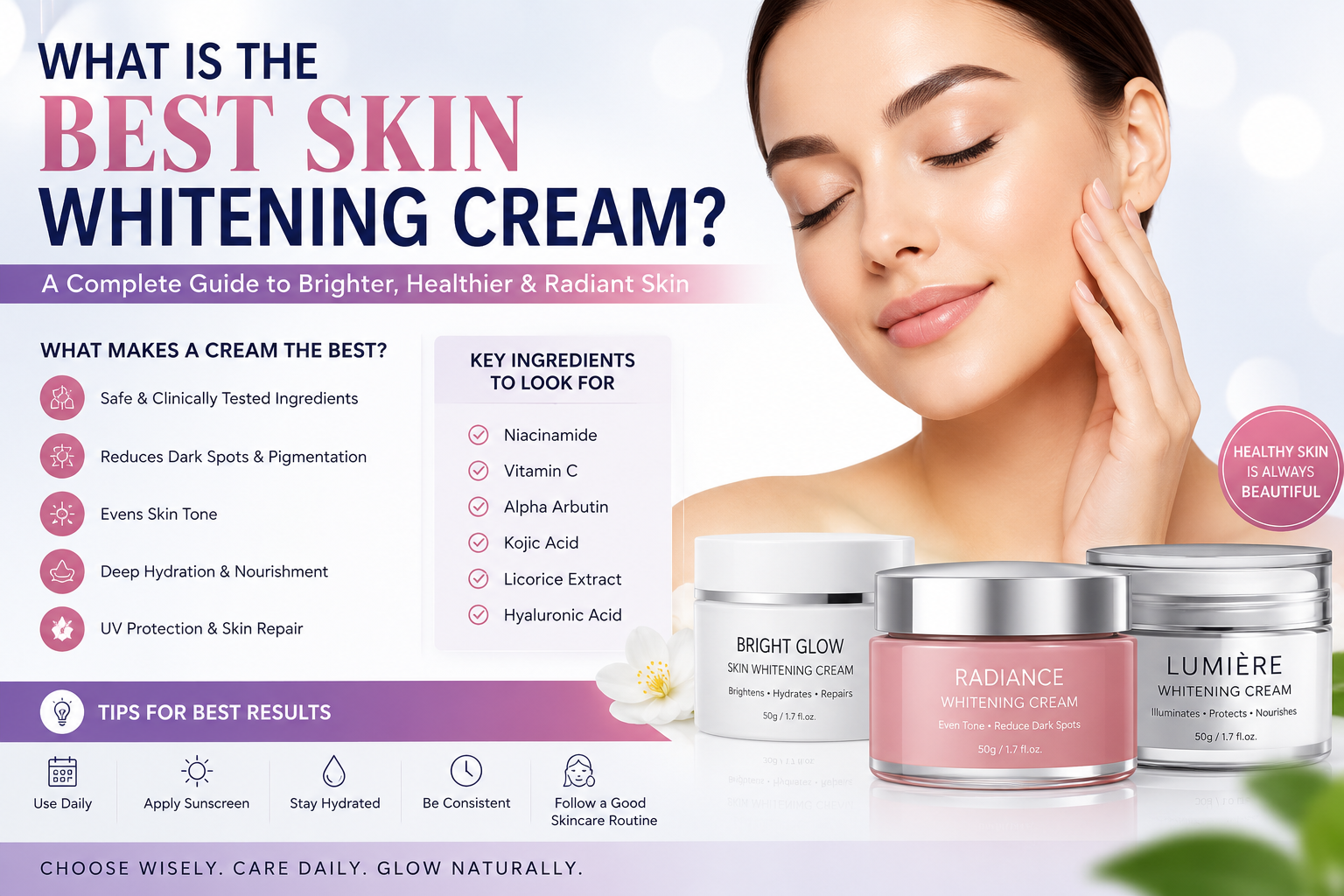
A Complete Guide to Brighter and Healthier Skin
Introduction
Many people search for the best skin whitening cream to reduce dark spots, uneven skin tone, and hyperpigmentation. While the term “skin whitening” is commonly used, most modern skincare products focus on brightening the skin, improving radiance, and reducing discoloration rather than changing a person’s natural skin color.
Choosing the right cream can be challenging because the market is filled with hundreds of products claiming instant results. Understanding the ingredients, benefits, and potential risks is essential before adding any skin-brightening product to your skincare routine.
This guide explains what skin whitening creams are, how they work, the ingredients to look for, and how to select the best option for your skin type.
What Is a Skin Whitening Cream?
A skin whitening cream is a skincare product designed to reduce the appearance of dark spots, acne marks, sun damage, melasma, and uneven pigmentation. These creams work by limiting melanin production or encouraging skin cell turnover.
Melanin is the pigment responsible for skin color. Excess melanin production can lead to pigmentation issues, making the skin appear uneven. Whitening or brightening creams target these concerns to create a more balanced complexion.
Why Do People Use Skin Whitening Creams?
People use skin-brightening products for various reasons, including:
- Reducing acne scars
- Treating sun spots
- Minimizing melasma
- Improving skin radiance
- Correcting uneven skin tone
- Addressing age-related pigmentation
The goal is usually healthier-looking skin rather than dramatically changing natural skin color.
How Do Skin Whitening Creams Work?
Skin whitening creams work through different mechanisms depending on their ingredients.
1. Reducing Melanin Production
Some ingredients slow down the enzyme tyrosinase, which plays a key role in melanin production.
2. Exfoliating Dead Skin Cells
Ingredients such as glycolic acid and lactic acid remove dead skin cells and reveal brighter skin underneath.
3. Protecting Against Sun Damage
Many brightening creams contain antioxidants that help reduce damage caused by UV exposure.
4. Improving Skin Renewal
Retinoids and similar ingredients promote faster skin cell turnover, helping fade pigmentation over time.
Key Ingredients to Look For
The effectiveness of a skin whitening cream depends largely on its ingredients.
Vitamin C
Vitamin C is one of the most popular brightening ingredients.
Benefits include:
- Reducing dark spots
- Protecting against environmental damage
- Enhancing skin radiance
- Supporting collagen production
Niacinamide
Niacinamide is a gentle yet powerful ingredient known for:
- Improving skin texture
- Reducing pigmentation
- Strengthening the skin barrier
- Minimizing redness
Alpha Arbutin
Alpha arbutin is widely used in brightening products because it helps reduce melanin production without causing excessive irritation.
Kojic Acid
Derived from natural fermentation processes, kojic acid is often used to:
- Fade dark spots
- Improve uneven skin tone
- Brighten dull skin
Licorice Extract
Licorice extract is a natural ingredient that helps calm the skin while reducing pigmentation.
Retinol
Retinol encourages skin renewal and can help improve the appearance of discoloration when used correctly.
What Is the Best Skin Whitening Cream?
The best skin whitening cream depends on your skin type and specific concerns.
For Dark Spots
Look for creams containing:
- Vitamin C
- Alpha arbutin
- Niacinamide
- Kojic acid
For Sensitive Skin
Choose products with:
- Niacinamide
- Licorice extract
- Ceramides
- Aloe vera
For Acne Marks
Effective ingredients include:
- Retinol
- Vitamin C
- Azelaic acid
- Niacinamide
For Dry Skin
Hydrating brightening creams should contain:
- Hyaluronic acid
- Glycerin
- Shea butter
- Ceramides
Signs of a High-Quality Skin Whitening Cream
A quality cream typically offers:
Safe Ingredients
Products should contain dermatologist-approved ingredients and avoid harmful substances.
Scientific Support
Look for products backed by clinical testing and positive customer reviews.
Moisturizing Benefits
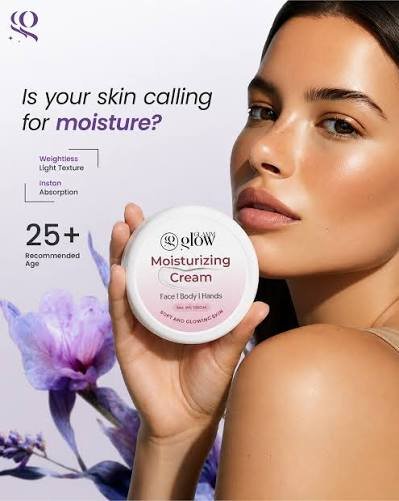
The best creams brighten the skin while maintaining hydration.
Sun Protection Compatibility
Brightening treatments work best when paired with sunscreen.
Ingredients to Avoid
Some older skin whitening products contained ingredients that may cause health concerns.
Mercury
Mercury-containing creams can damage the skin and may pose serious health risks.
Excessive Hydroquinone Use
Hydroquinone may be prescribed by dermatologists for specific conditions, but long-term unsupervised use is not recommended.
Unregulated Products
Avoid products with unclear ingredient lists or unrealistic promises.
How to Use a Skin Whitening Cream Correctly
Following the correct application process improves results.
Step 1: Cleanse Your Skin
Use a gentle cleanser to remove dirt and oil.
Step 2: Apply a Serum
A vitamin C or niacinamide serum can enhance results.
Step 3: Use the Whitening Cream
Apply a thin layer evenly across the affected areas.
Step 4: Moisturize
Lock in hydration with a suitable moisturizer.
Step 5: Apply Sunscreen
Use broad-spectrum SPF 30 or higher every morning.
The Importance of Sunscreen
Many people invest in expensive whitening creams but skip sunscreen.
Without sun protection:
- Dark spots may return
- Hyperpigmentation can worsen
- Skin aging may accelerate
Daily sunscreen use is one of the most effective ways to maintain brighter skin.
Natural Alternatives for Brighter Skin
Some people prefer natural approaches to improving skin appearance.
Popular options include:
Aloe Vera
Helps soothe and hydrate the skin.
Turmeric
Contains antioxidants that may support skin health.
Green Tea Extract
Provides anti-inflammatory and antioxidant benefits.
Yogurt Masks
Contain lactic acid, which gently exfoliates the skin.
While natural remedies can support skincare, they typically produce slower results than professionally formulated products.
Common Myths About Skin Whitening Creams
Myth 1: Results Appear Overnight
Most effective products require several weeks or months of consistent use.
Myth 2: Stronger Products Work Better
Highly aggressive products can damage the skin barrier and cause irritation.
Myth 3: All Whitening Creams Are Safe
Not all products are regulated equally. Ingredient research is essential.
Myth 4: You Don’t Need Sunscreen
Sun protection is critical for maintaining results.
Who Should Consider a Skin Brightening Cream?
A brightening cream may be suitable for people who have:
- Acne scars
- Sun damage
- Uneven skin tone
- Melasma
- Age spots
- Post-inflammatory hyperpigmentation
Individuals with severe skin conditions should consult a dermatologist before beginning treatment.
How Long Does It Take to See Results?
Results vary depending on:
- Skin type
- Product formulation
- Severity of pigmentation
- Consistency of use
Typical timelines include:
- 2–4 weeks for improved radiance
- 6–8 weeks for visible fading of dark spots
- 3–6 months for more significant pigmentation improvement
Patience and consistency are key.
Building a Complete Brightening Skincare Routine
A comprehensive routine may include:
Morning Routine
- Gentle cleanser
- Vitamin C serum
- Brightening cream
- Moisturizer
- Sunscreen SPF 30+
Evening Routine
- Cleanser
- Treatment serum
- Brightening cream
- Moisturizer
A balanced routine often delivers better results than relying on a single product.
Choosing the Right Product for Your Skin Type
Oily Skin
Look for lightweight, non-comedogenic formulas.
Dry Skin
Choose creams with hydrating ingredients.
Combination Skin
Select balanced formulas containing niacinamide and hyaluronic acid.
Sensitive Skin
Use fragrance-free and dermatologist-tested products.
Final Thoughts
When searching for the best skin whitening cream, focus on products that safely improve skin brightness, reduce dark spots, and promote an even complexion. Ingredients such as vitamin C, niacinamide, alpha arbutin, kojic acid, and licorice extract are among the most effective and widely recommended options.
Remember that healthy skin is more important than dramatically altering natural skin color. Consistent skincare, proper hydration, and daily sunscreen use are essential for achieving long-lasting results.
The best skin whitening cream is ultimately the one that suits your skin type, addresses your specific concerns, and helps you achieve a healthier, more radiant appearance safely and effectively.