Introduction
Every fashion bride dreams of walking down the aisle looking effortlessly stunning, but getting there takes more than picking a pretty gown off a rack. Between silhouettes, fabrics, accessories, and reception changes, bridal style has become its own fashion category with rules, trends, and plenty of room for personal expression.
This guide breaks down everything a modern bride needs to know, from choosing the right gown shape to avoiding common styling mistakes. Whether you’re a bride-to-be planning your first fitting or a stylist helping clients navigate bridal fashion, you’ll find practical, real-world advice here.
By the end, you’ll understand exactly what it takes to become a confident, well-dressed fashion bride on your wedding day.
What Is a Fashion Bride?
A fashion bride is someone who treats her wedding day styling with the same intention and creativity she’d bring to any major fashion moment. It’s not about spending the most money; it’s about making thoughtful choices that reflect personal taste, body shape, and the overall wedding theme.
Why It Matters
Wedding photos last a lifetime, and how a bride dresses often becomes the visual centerpiece of the entire event. A well-styled bride sets the tone for the wedding’s aesthetic, influencing everything from the color palette to the formality of guest attire.
Key Features
A true fashion bride typically focuses on:
- A gown silhouette that flatters her body type
- Cohesive accessories that don’t compete with the dress
- Hair and makeup that photograph well in natural and artificial light
- A backup outfit for comfort during the reception
Why Every Fashion Bride Needs a Style Plan
Jumping into dress shopping without a plan often leads to decision fatigue. Bridal boutiques carry hundreds of styles, and without a clear direction, brides can end up overwhelmed or settling on something that doesn’t truly suit them.
Advantages of Planning Ahead
Creating a style plan before shopping offers several benefits:
- Saves time during fittings by narrowing down silhouettes early
- Reduces the temptation to overspend on impulse choices
- Helps communicate your vision clearly to designers or tailors
- Creates a cohesive look across the gown, accessories, and hairstyle
Tips for Building a Plan
Start by collecting inspiration images, noting recurring themes like necklines, sleeve styles, or fabric textures. Next, set a realistic budget that includes alterations, accessories, and a second outfit if needed.
Types of Fashion Bride Looks
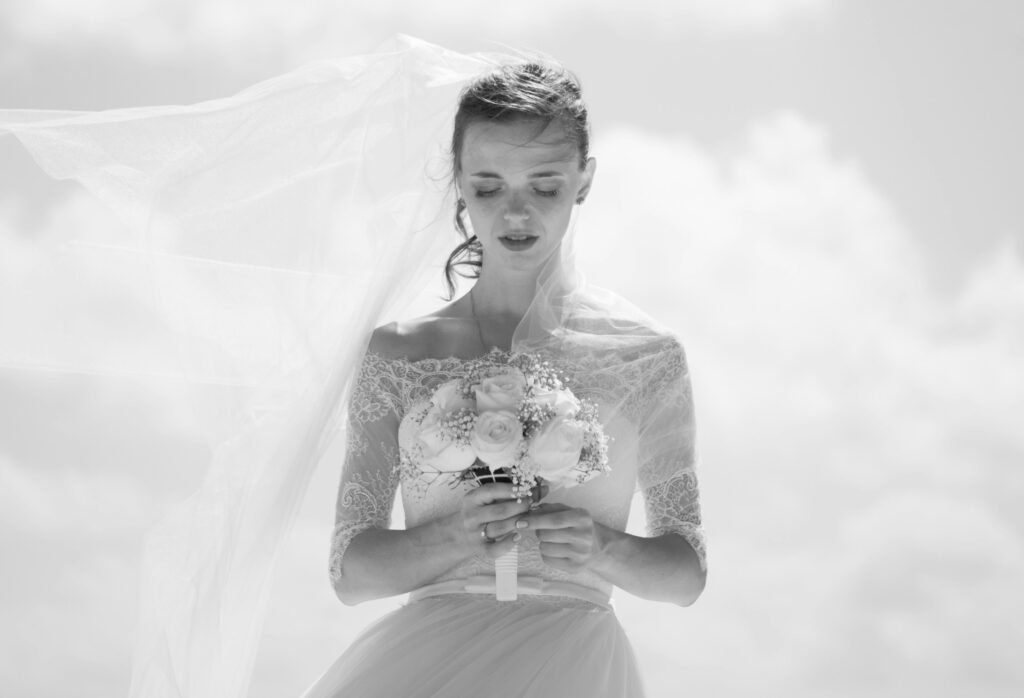
Bridal fashion isn’t one-size-fits-all. Different brides gravitate toward different aesthetics depending on venue, season, and personal style.
Classic and Traditional
This look favors timeless silhouettes like ball gowns or A-line dresses, often paired with a cathedral veil and simple, elegant jewelry.
Modern Minimalist
Clean lines, minimal embellishment, and structured fabrics define this style. Think slip dresses or crepe fabric gowns with barely-there straps.
Bohemian Fashion Bride
Flowing chiffon, lace details, and floral hair accessories characterize this romantic, relaxed aesthetic popular for outdoor and destination weddings.
Glamorous and Statement-Making
Beading, sequins, dramatic trains, and bold jewelry define this high-impact look, often chosen for ballroom or evening receptions.
| Style Type | Best For | Common Fabrics |
|---|---|---|
| Classic | Traditional ceremonies | Satin, silk |
| Minimalist | Modern, small weddings | Crepe, silk charmeuse |
| Bohemian | Outdoor, destination weddings | Chiffon, lace |
| Glamorous | Formal evening receptions | Tulle, beaded fabric |
How to Build Your Fashion Bride Wardrobe
A complete bridal wardrobe extends beyond the ceremony gown. Many brides now plan two or even three outfit changes throughout the wedding day.
Ceremony Gown
This is the centerpiece look, chosen for its formality and photogenic qualities. It should align with the wedding’s overall theme and dress code.
Reception Outfit
Many fashion brides opt for a lighter, more comfortable dress for dancing and mingling. A shorter hemline or removable overskirt works well here.
Comfortable Footwear
Standing and dancing for hours requires practical shoe choices. Consider:
- A statement heel for photos and the ceremony
- Comfortable flats or sneakers for the reception
- Cushioned insoles for extended wear
Best Practices for Fashion Bride Style
Expert Recommendations
Bridal stylists commonly recommend starting gown shopping eight to twelve months before the wedding date to allow time for ordering and alterations. This timeline also gives brides room to adjust their vision without feeling rushed.
Coordinating With the Wedding Theme
The gown, accessories, and even bouquet should feel like they belong to the same visual story. A rustic barn wedding calls for different styling choices than a formal ballroom event.
Prioritizing Comfort
No fashion bride should sacrifice comfort entirely for aesthetics. Breathable fabrics, properly fitted undergarments, and well-broken-in shoes make a noticeable difference in how the day feels.
Common Mistakes Fashion Brides Make
Even experienced brides can fall into styling traps that affect both comfort and photos.
Overlooking Alterations
A dress that isn’t tailored to fit properly can look ill-fitting in photos, regardless of how beautiful the design is. Budgeting time and money for alterations is essential.
Ignoring the Venue
Choosing a heavy ball gown for a hot outdoor summer wedding, or a light slip dress for a formal winter ballroom, can create unnecessary discomfort and clash with the setting.
Overloading on Accessories
Piling on statement jewelry, a dramatic veil, and an elaborate hairstyle all at once can overwhelm the overall look. Choosing one or two focal points usually photographs better.
Skipping the Trial Run
Many brides forget to do a full trial run with hair, makeup, and accessories together before the wedding day, which can lead to last-minute surprises.
Fashion Bride Accessories and Details
Veils and Headpieces
Veils remain a popular choice, though many modern brides opt for hair vines, combs, or minimalist headbands instead.
Jewelry Choices
Simple, elegant jewelry tends to photograph better than oversized statement pieces, especially for brides wearing detailed lace or beaded gowns.
Bridal Beauty
Makeup and hairstyling should complement the gown’s neckline and overall formality. A trial session with your artist helps avoid surprises on the big day.
Frequently Asked Questions
1. What defines a fashion bride? A fashion bride is someone who approaches her wedding day styling with intention, choosing a gown, accessories, and overall look that reflect her personal taste while suiting the wedding’s theme and venue.
2. How far in advance should I start bridal fashion planning? Most stylists recommend starting eight to twelve months before the wedding to allow enough time for ordering, fittings, and alterations without feeling rushed.
3. Do I need a second outfit for the reception? It’s not required, but many brides choose a lighter reception outfit for comfort during dancing and extended socializing after the ceremony.
4. What’s the most common bridal fashion mistake? Skipping proper alterations is one of the most frequent mistakes, since an ill-fitting gown can affect both comfort and how it photographs.
5. Should my accessories match my venue? Yes, accessories should complement both the gown and the venue’s formality, whether that’s a rustic outdoor setting or a formal ballroom.
6. Can I mix vintage and modern bridal styles? Absolutely. Many fashion brides blend elements like a modern silhouette with a vintage-inspired veil or heirloom jewelry for a personalized look.
7. How do I choose the right gown silhouette? Consider your body shape, the wedding’s formality, and personal comfort. Trying on multiple silhouettes during fittings helps identify what feels and looks best.
Final Thoughts
Becoming a confident fashion bride comes down to thoughtful planning, understanding your personal style, and making choices that suit both your body and your wedding’s setting. From gown silhouettes to accessory details, every decision contributes to a cohesive, memorable look.
The key takeaway is that bridal fashion isn’t about following every trend; it’s about creating a look that feels authentically you. Start early, prioritize comfort alongside style, and don’t be afraid to blend classic and modern elements.
If you’re beginning your bridal style journey, start by gathering inspiration and setting a realistic budget today.