Introduction
Bold, dark, and impossible to ignore — devil fashion has moved from niche subculture to mainstream runways in recent years. What was once reserved for Halloween costumes or underground music scenes now shows up in high-fashion collections, streetwear drops, and everyday wardrobes. This shift reflects a broader cultural fascination with rebellion, mystery, and self-expression through clothing.
If you’ve ever wondered how to incorporate devil fashion into your personal style without looking like a costume, you’re in the right place. This devil fashion style guide walks you through the devil fashion history, types, styling techniques, and common mistakes people make when wearing devil fashion. Whether you’re a curious beginner researching devil fashion for beginners or someone refining an already edgy streetwear wardrobe, you’ll find practical, actionable devil fashion ideas ahead.
What is Devil Fashion?
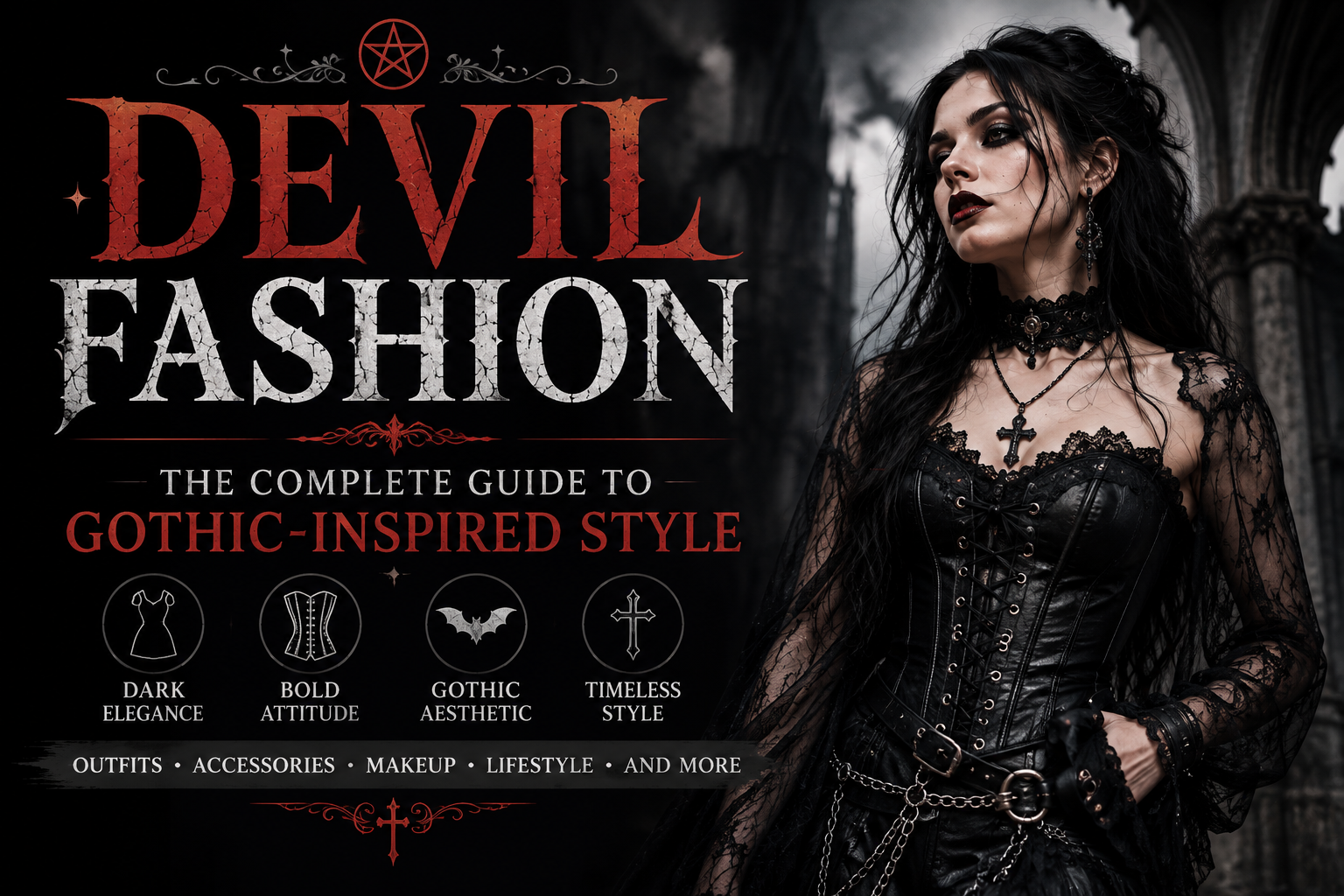
Devil fashion refers to a style movement inspired by devilish, occult, and gothic imagery. Think horns, pentagrams, flames, deep reds, and blacks combined with sharp silhouettes. It borrows heavily from gothic subculture but adds a rebellious, theatrical twist that makes it instantly recognizable. As a dark fashion aesthetic, it overlaps with other subculture fashion movements like devilcore, witchy style clothing, and grunge fashion, though each has its own distinct visual language.
This aesthetic isn’t about literal devil worship or costumes. Instead, it’s a fashion statement built around symbolism — power, mystery, and nonconformity. Designers use devilish motifs to communicate boldness and individuality rather than any religious meaning, and imagery once associated with satanic fashion imagery has largely been reclaimed as an artistic, secular style choice.
Why It Matters
Fashion has always mirrored cultural attitudes, and devil fashion is no exception. It represents a pushback against conventional, “safe” dressing. People who wear it are often making a statement about embracing their darker, more confident side.
Key Features
- Deep color palettes (black, red, burgundy)
- Sharp, structured silhouettes
- Occult-inspired accessories like horns or pentagram jewelry
- Leather, latex, and lace fabric combinations
- Dramatic makeup pairings
The History and Origins of Devil Fashion
Devil fashion didn’t appear overnight, and understanding devil fashion history helps explain why it resonates today. Its roots trace back to gothic subculture in the late 1970s and 1980s, which itself grew out of punk rock’s anti-establishment attitude. Bands and their fans adopted dark clothing, dramatic makeup, and occult symbols as a form of visual rebellion, laying the groundwork for modern devil fashion.
Over the decades, this style evolved. Metal and industrial music scenes in the 1990s pushed devilish imagery further into mainstream awareness. By the 2020s, high-end fashion houses began referencing devil fashion on the runway, blending luxury materials with subcultural symbolism and cementing devil fashion runway moments as a recurring trend at fashion week.
Advantages of Understanding Its Roots
Knowing the history behind devil fashion helps wearers appreciate it as more than a trend. It connects the style to decades of music, art, and countercultural movements, giving it depth beyond aesthetics alone.
Tips for Honoring the Origins
- Research the subcultures that shaped the look before adopting it fully
- Support independent designers who keep the aesthetic authentic
- Avoid treating the style as a costume-only occasion
Benefits of Embracing Devil Fashion
Wearing devil fashion offers more than visual impact. Many people find it genuinely empowering, and there are practical reasons it has gained such a dedicated following.
Confidence and Self-Expression
Bold clothing choices often correlate with increased confidence. Devil fashion, with its dramatic silhouettes and striking colors, gives wearers a way to stand out and express individuality without saying a word.
Versatility Across Occasions
Contrary to popular belief, devil fashion isn’t limited to concerts or Halloween. Toned-down versions work well for everyday wear, date nights, or even creative workplace settings, depending on how pieces are styled.
A Growing Community
The alternative fashion community has expanded significantly through social media. Wearers connect over shared aesthetics, swap styling tips, and support small businesses that specialize in gothic and devil-inspired pieces. This growing devil fashion culture also shows up at conventions, music festivals, and the occasional dedicated devil fashion event where designers showcase new collections.
Types of Devil Fashion Styles
Devil fashion isn’t a single look — it spans several distinct sub-styles, each with its own character, from red and black outfits to full devil costume ideas.
| Style Type | Key Elements | Best For |
|---|---|---|
| Gothic Devil | Black lace, corsets, velvet | Evening events, formal settings |
| Punk Devil | Leather, studs, distressed fabric | Concerts, casual streetwear |
| Glam Devil | Sequins, red accents, dramatic tailoring | Parties, statement occasions |
| Minimalist Devil | Subtle horn jewelry, dark neutrals | Everyday wear, office-friendly looks |
| Costume Devil | Full horns, tails, red bodysuits | Halloween, themed events |
Expert Recommendations
Stylists often suggest starting with the minimalist devil approach if you’re new to the aesthetic. It allows you to test the waters with small accessories before committing to a full wardrobe overhaul.
Popular Combinations
- Leather jacket with red lining and black boots — a classic take on leather jacket outfits within devil fashion
- Corset top layered under a blazer for office wear, paired with soft gothic makeup looks
- Pentagram necklace paired with an all-black outfit for a dark romantic fashion feel
- Devil print clothing, such as flame or horn graphic tees, layered under structured outerwear
How Devil Fashion Works in Modern Wardrobes
Styling devil fashion into a modern wardrobe comes down to balance. The goal is to incorporate dramatic devil fashion pieces without overwhelming an entire outfit, whether you’re pulling together devil fashion outfit ideas for a night out or wearing devil fashion as part of your daily rotation.
Building a Base Wardrobe
Start with foundational black pieces — trousers, blazers, dresses — that can serve as a canvas. From there, layer in devilish accents through accessories or one statement item per outfit.
Mixing Textures
Combining materials like leather, lace, and velvet adds visual depth to devil fashion looks. This texture play keeps outfits interesting rather than flat or one-dimensional.
Seasonal Adaptations
- Summer: Lightweight black fabrics with red accent jewelry
- Winter: Leather jackets, dark wool coats, statement boots
- Transitional seasons: Layered looks with corset vests over shirts
Best Practices for Styling Devil Fashion
Getting devil fashion right requires some strategy. Here are practices that consistently work well for both beginners and experienced wearers.
Start Small
Introduce one devilish element at a time — a ring, a necklace, or a single dark-colored piece. This prevents outfits from feeling like a costume and keeps the look wearable.
Balance Bold with Basic
Pair one statement item with simpler pieces. A dramatic corset top, for example, works best with plain black trousers rather than another loud piece.
Invest in Quality Accessories
- A well-made devil horns accessory from reputable alternative fashion brands
- Sterling silver pentagram or occult-symbol jewelry, key devil fashion accessories for any collection
- Well-constructed leather accessories that last longer than fast-fashion alternatives
- Statement fashion pieces, like a single dramatic coat or bag, that anchor an entire look
Tailor to the Occasion
Devil fashion can be dialed up or down. A subtle black outfit with dark red lipstick works for a business setting, while full corsetry and horns suit a themed party.
Common Mistakes to Avoid
Even enthusiastic beginners can stumble when adopting devil fashion. Avoiding these mistakes will help the style feel authentic rather than forced.
Overdoing the Theme
Wearing every devilish element at once — horns, tail, red contacts, and full costume makeup — can tip the look into costume territory rather than fashion. Restraint often looks more sophisticated.
Ignoring Fit and Quality
Cheap, ill-fitting pieces undercut the entire aesthetic. Structured tailoring matters enormously in devil fashion since the silhouette carries much of the visual impact.
Skipping Context
- Wearing full costume-level devil fashion to inappropriate settings
- Ignoring dress codes at formal events
- Forgetting that subtlety often reads as more intentional than excess
Frequently Asked Questions
Is devil fashion only for Halloween? No, devil fashion works year-round when styled thoughtfully. Subtle accessories, dark color palettes, and structured silhouettes can be worn daily, while full costume elements are better saved for themed events or parties.
What colors define devil fashion? Black and red dominate devil fashion, often paired with deep burgundy or crimson accents. These colors symbolize mystery and intensity, forming the visual backbone of most devil-inspired outfits.
Can devil fashion be office-appropriate? Yes, a toned-down version works well in creative workplaces. Think tailored black blazers, subtle occult jewelry, and dark makeup rather than corsets, horns, or dramatic costume pieces.
Do I need expensive pieces to start? Not necessarily. Beginners can start with affordable accessories like pentagram jewelry or dark lipstick before investing in higher-quality leather or corsetry pieces later.
Is devil fashion connected to any religion? No, devil fashion is a style aesthetic rooted in gothic and punk subcultures. It uses symbolic imagery for visual impact rather than religious or spiritual meaning.
What brands are known for devil fashion? Several independent and alternative fashion labels specialize in gothic and devil-inspired pieces, alongside select designer collections that have referenced the aesthetic on runways in recent seasons.
How do I avoid looking like I’m in costume? Limit yourself to one or two devilish elements per outfit and pair them with simple, well-fitted basics. This keeps the look fashion-forward rather than theatrical.
Final Thoughts
The devil fashion trend has grown from a subcultural statement into a recognized style movement embraced by beginners and fashion professionals alike. Its combination of bold color, dramatic silhouettes, and symbolic accessories makes it one of the more expressive dark aesthetic clothing options available today.
Throughout this guide, we’ve covered devil fashion history, types, benefits, and practical tips for styling devil fashion successfully, along with the devil themed clothing and devil inspired outfits worth trying first. The key takeaway is balance — incorporating devilish elements thoughtfully rather than overwhelming an outfit all at once.
Whether you’re drawn to the minimalist devil look or ready to fully embrace gothic drama, devil fashion offers room for personal interpretation. Start small, invest in quality pieces, and let your confidence guide the rest of your style journey.